
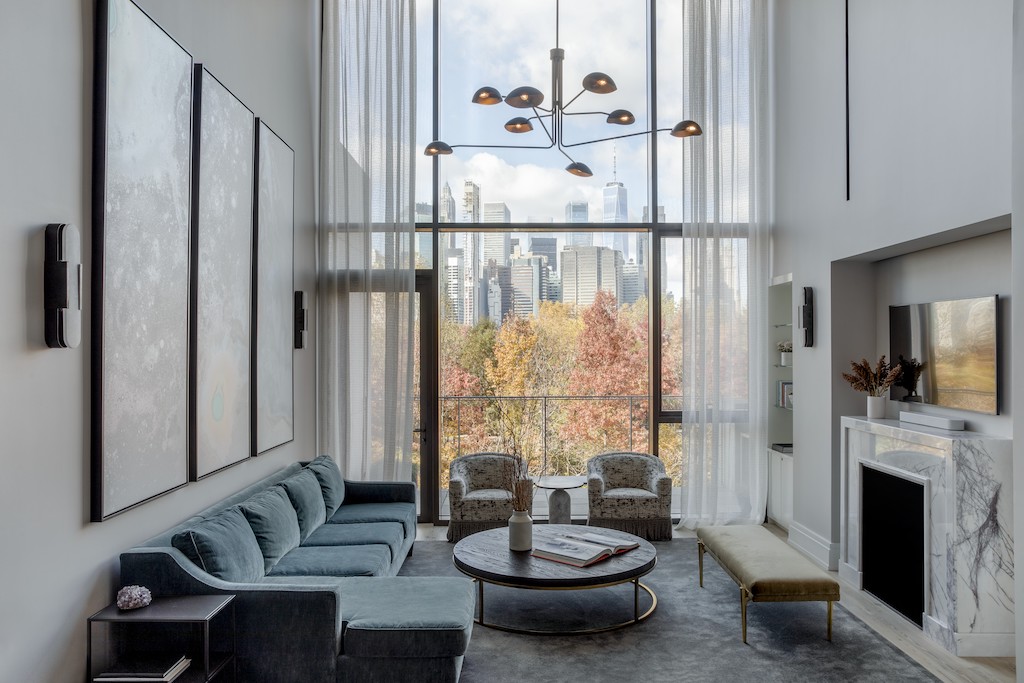
In a world increasingly defined by noise, speed, and clutter, the spaces we inhabit have become more than just backdrops to our daily routines — they are sanctuaries, statements, and extensions of our identities. Interior design, often mistaken for surface-level decoration, is a powerful art form that fuses psychology, aesthetics, and functionality. Good design doesn’t just look good; it feels good. It fosters calm, creativity, focus, and connection.
At its best, interior design responds intuitively to human needs. It’s not about following fleeting trends or replicating Pinterest boards — it’s about crafting spaces that work for real lives. A well-designed room anticipates movement, promotes comfort, and supports the mood of its user. A calming bedroom might prioritize soft textures, diffused lighting, and minimal clutter to support restful sleep. A collaborative office space might use open sightlines, natural light, and flexible seating to encourage interaction and productivity. These choices are subtle but impactful, shaping behavior and well-being.
Color, for instance, is more than a stylistic choice; it’s a psychological tool. Cool blues and greens soothe, while warm hues energize. Neutrals can ground a space, offering quiet sophistication or a backdrop for bolder elements. Materials tell their own story, too — wood warms a room, metal sharpens it, and textiles bring softness and intimacy. Texture plays a silent but powerful role in creating depth and contrast, often determining whether a space feels sterile or welcoming.
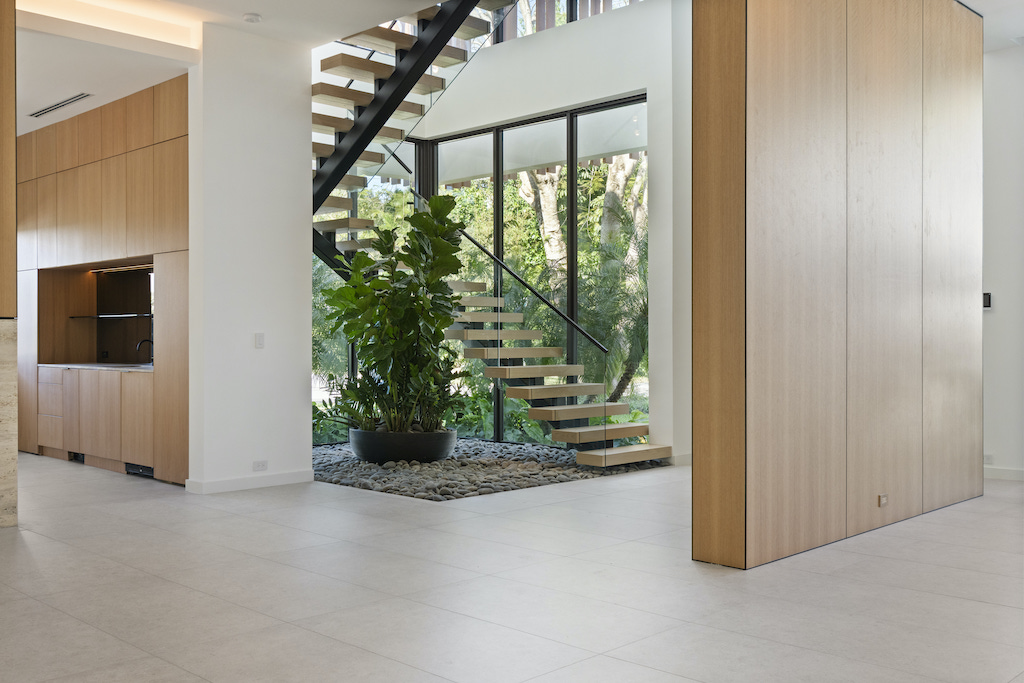
One of the most overlooked aspects of interior design is the way it influences emotion. Thoughtful spatial planning, lighting, and flow can dramatically impact mental health. Studies show that natural light improves mood and productivity, while crowded or poorly organized rooms can induce stress. Design isn’t just visual — it’s visceral.
In recent years, there’s been a growing movement toward biophilic design: integrating natural elements into interiors to improve psychological well-being. Living walls, raw wood finishes, stone textures, and abundant greenery blur the line between indoors and outdoors, reminding us of our intrinsic connection to nature. In a world where we spend over 90% of our time inside, bringing the outside in is more than a luxury; it’s a necessity.
Moreover, interior design is becoming increasingly inclusive and sustainable. Designers are thinking more critically about accessibility, cultural representation, and environmental impact. Repurposed materials, vintage finds, and eco-conscious furnishings are gaining ground and not just for their aesthetics, but for the stories they carry and the footprint they reduce.
Ultimately, great interior design isn’t about perfection or prestige. It’s about creating spaces that support and inspire. Whether it’s a serene bedroom, a lively kitchen, or a cozy reading nook, every element should contribute to the feeling you want to cultivate in that space. Design, at its core, is about intention, and when done well, it speaks without saying a word.


